
Lab Experiments Train New Materials AI Model
Periodic Labs introduced Neon, an artificial intelligence system trained on real laboratory data to identify chemical structures from X-ray diffraction tests. The specialized model significantly outperforms its general base version on material discovery tasks, helping scientists discover novel magnets and superconductors.
The Blend
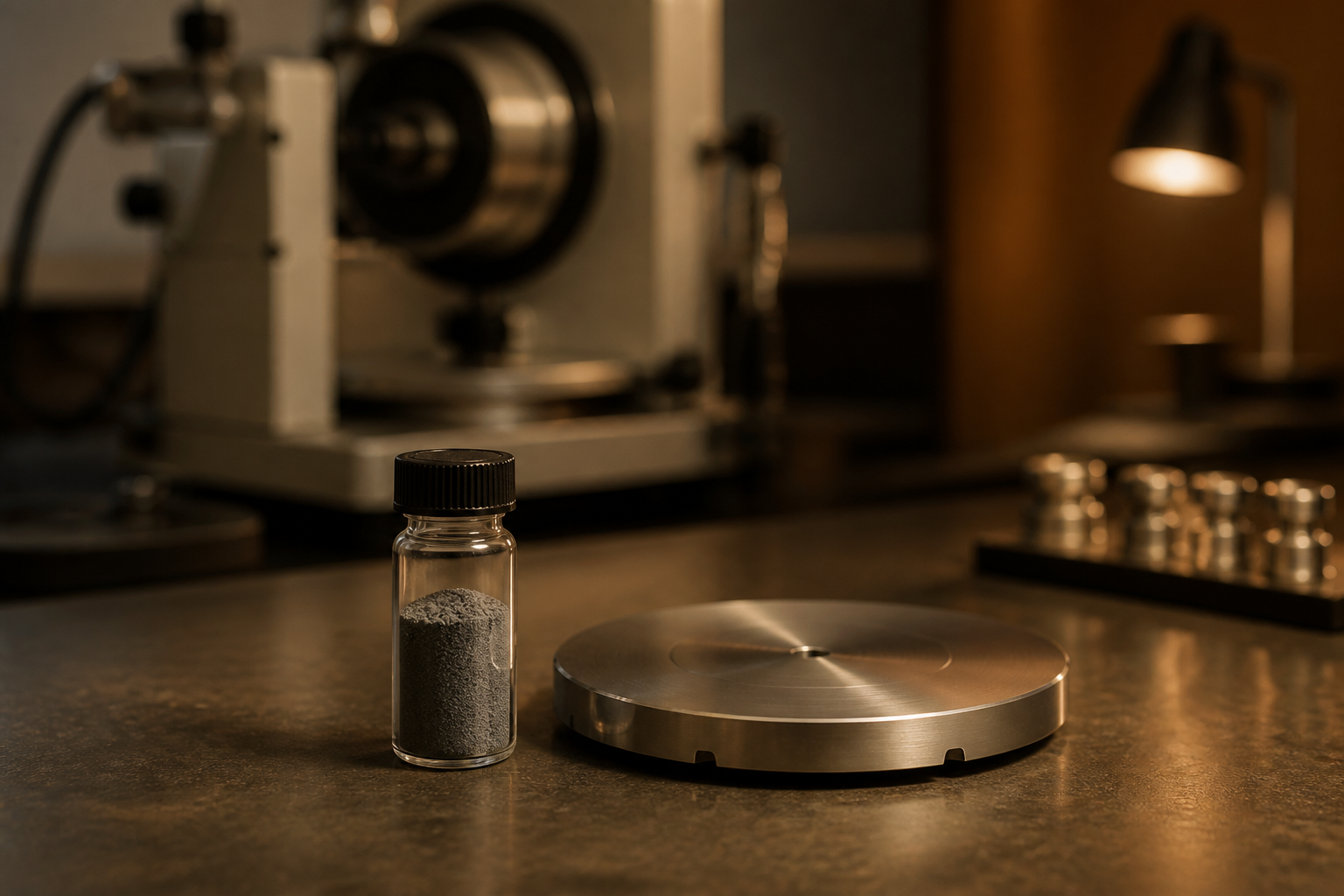
Periodic Labs has unveiled Neon, a specialized artificial intelligence model built to analyze chemical samples produced in physical research facilities. According to a technical post by the startup, the software was trained directly on internal X-ray diffraction measurements, a laboratory technique used to identify atomic structures by observing how light scatters off crystalline powders. By post training an existing open source model with their own experimental data, the researchers created a system tailored for difficult chemistry problems.
This development matters because discovering novel materials, such as improved superconductors or stronger magnets, often stalls during the evaluation phase. Scientists can spend hours sifting through overlapping data patterns to figure out what chemical phases actually formed during an experiment. Periodic Labs reports that Neon can automate this complex analysis at a fraction of the cost of large general purpose models, which could dramatically reduce the time needed to bring new physical technologies from the lab to real world applications.
The research underscores a broader trend where targeted, domain specific training data yields better scientific tools than simply scaling up massive general chatbots. What remains unclear is how well Neon will perform outside controlled settings, as model accuracy may drop when encountering lower quality measurements or equipment from other institutions. It is also an open question whether automating sample analysis alone will be enough to overcome the physical bottlenecks of synthesizing new materials at scale.
Written independently by AI News Smoothie from the reporting listed below. Facts belong to the original publishers. Follow the links for their full coverage.
Ingredients
- Nature Is Our Learning Environment – Periodic Labs
Periodic Labs trained a specialized AI model called Neon using real X-ray diffraction data to accelerate the discovery of advanced materials like superconductors.