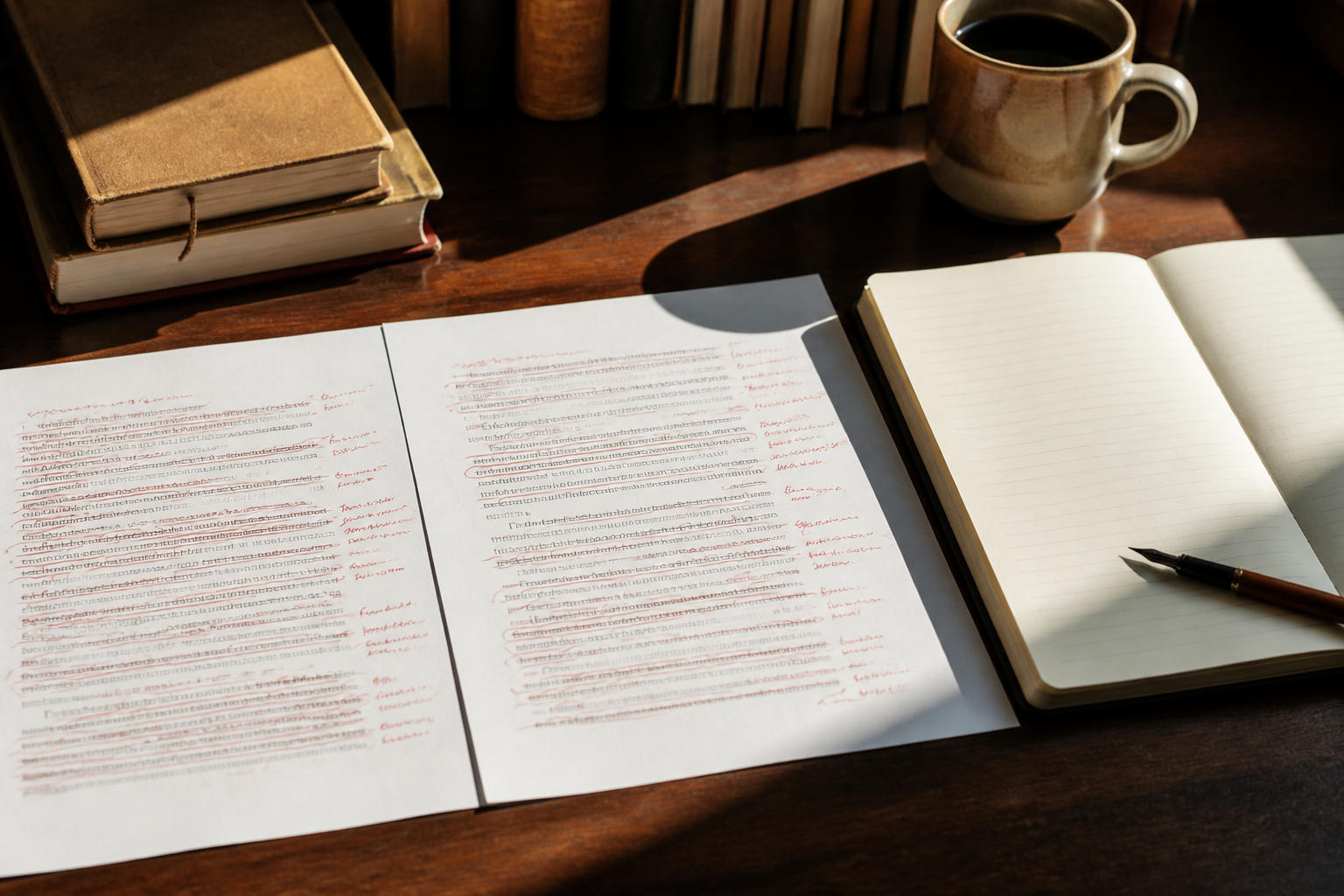
How to convert document edits into permanent instructions for AI
By having a model evaluate the differences between its initial output and your edited version, you can generate reusable guidelines. This approach helps refine tone, structure, and formatting across all future drafting tasks.
Try it yourself
- 1Draft a piece of text using your preferred AI assistant.
- 2Edit the resulting output manually to match your preferred writing style.
- 3Paste both the original text and your edited version into the chat interface.
- 4Ask the model to analyze the changes and extract reusable style guidelines.
- 5Save the extracted rules into a system prompt or master document for future projects.
Copy this prompt
Compare your draft with my edited version: [PASTE DRAFT AND REVISED VERSION]. Extract reusable rules that will improve future drafts, categorizing them under Voice, Structure, and Content. Ignore single-use factual edits, and write each rule as a concise instruction.
The Blend
Many people who use artificial intelligence to help draft emails, reports, or articles find themselves giving the exact same feedback over and over again. To fix this repetitive cycle, tech publication Every recently detailed an editorial process called compound writing. The method asks writers to systematically compare an early draft created by software against their own final edited version. By analyzing these differences, users can extract customized, reusable instructions that teach the model their specific voice, formatting preferences, and structural rules.
For everyday workers, this strategy shifts how people interact with writing tools. Instead of expecting a single prompt to generate a finished piece, users build a personalized instruction manual through routine editing. This approach cuts down on the frustration of fixing the same robotic phrasing across every project, essentially turning the assistant into a tailored editorial partner that learns over time.
While this system promises long term efficiency, setting up and managing detailed rule files requires a level of discipline that casual users may find tedious. It is also unclear how well these custom instruction sets will hold up as software companies update their underlying models, which could potentially alter how the tools interpret stored guidelines.
Written independently by AI News Smoothie from the reporting listed below. Facts belong to the original publishers. Follow the links for their full coverage.
Ingredients
- Compound Writing: The Ultimate Guide - Every
Comparing final document edits against initial AI outputs lets users create reusable rules that steadily improve future drafts.