High-tech humanoid robot marketing masks ongoing physical limitations
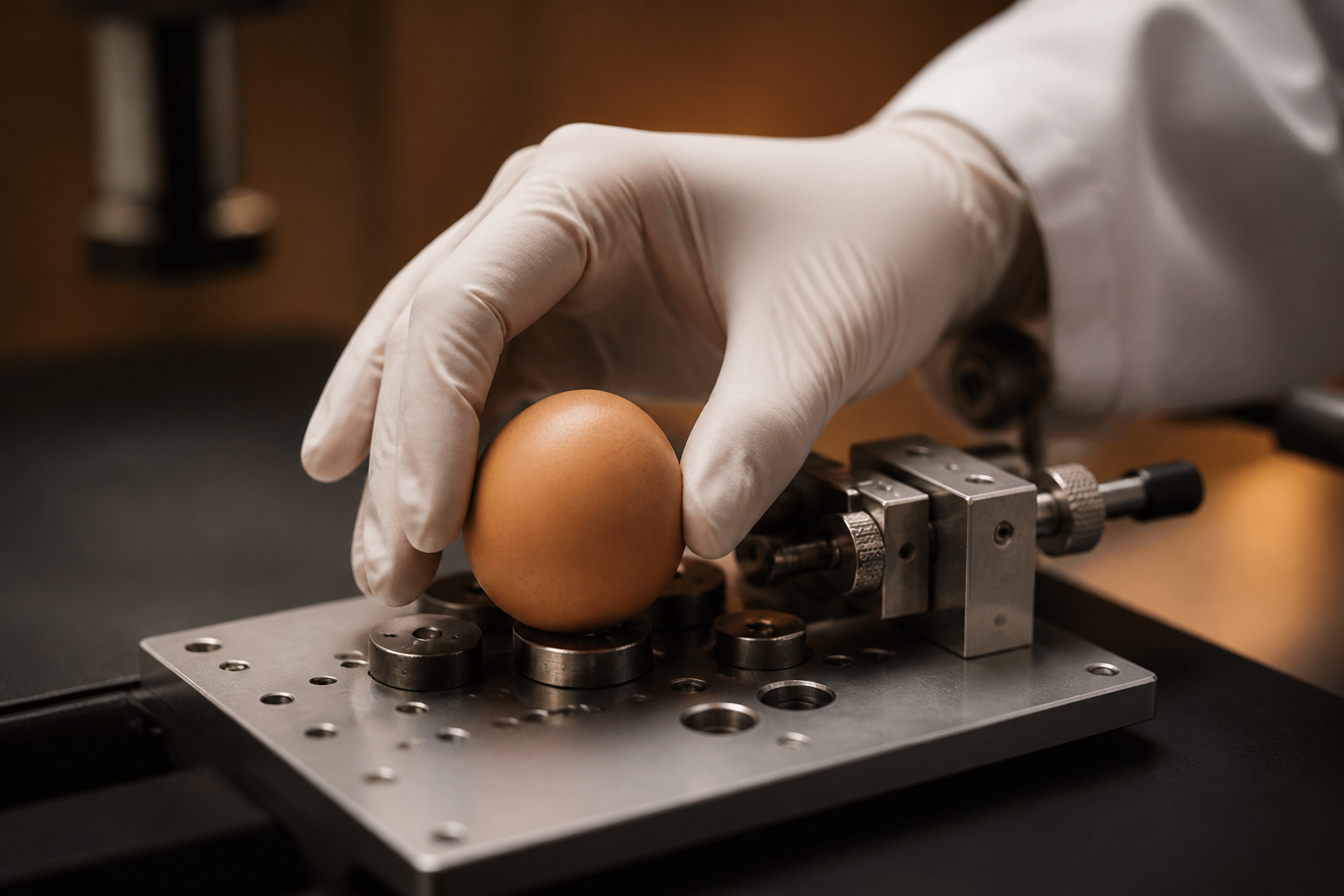
Promotional clips of sprinting humanoid robots highlight a major gap between viral demonstrations and practical usefulness. While robots can be engineered for speed or scripted maneuvers, they still lack the delicate touch sensors required for basic human tasks like picking up fragile objects or sorting packages.
The Blend
Slick online video clips of humanoid robots running and doing flips have captivated the public, but industry experts warn that viral demonstrations mask significant physical shortcomings. While engineers can script impressive displays of speed and balance, most current machines still struggle with basic tasks that require a gentle touch, like picking up delicate items or handling loose packages.
In an effort to bridge this gap between flashy stunts and actual utility, tech companies are focusing heavily on the software driving these machines. Google DeepMind recently announced Gemini Robotics 2, a new artificial intelligence system designed to act as an intelligence layer for hardware. The system aims to give robots whole-body coordination and fine motor control, allowing them to translate visual input and spoken commands directly into physical movement.
For average consumers and factory workers, the arrival of truly versatile robotic assistants could eventually automate tedious household chores or hazardous warehouse jobs. However, software updates alone cannot solve hardware limitations like missing tactile sensors or battery constraints. It remains an open question whether software-driven spatial reasoning can overcome the fundamental mechanical challenges of recreating human touch, or if commercial viability is still many years away.
Written independently by AI News Smoothie from the reporting listed below. Facts belong to the original publishers — follow the links for their full coverage.
Ingredients
- Gemini Robotics 2 brings whole body intelligence to robots — Google DeepMind
Google DeepMind announced Gemini Robotics 2, a new vision-language-action model designed to provide robots with whole-body control and enhanced physical dexterity.