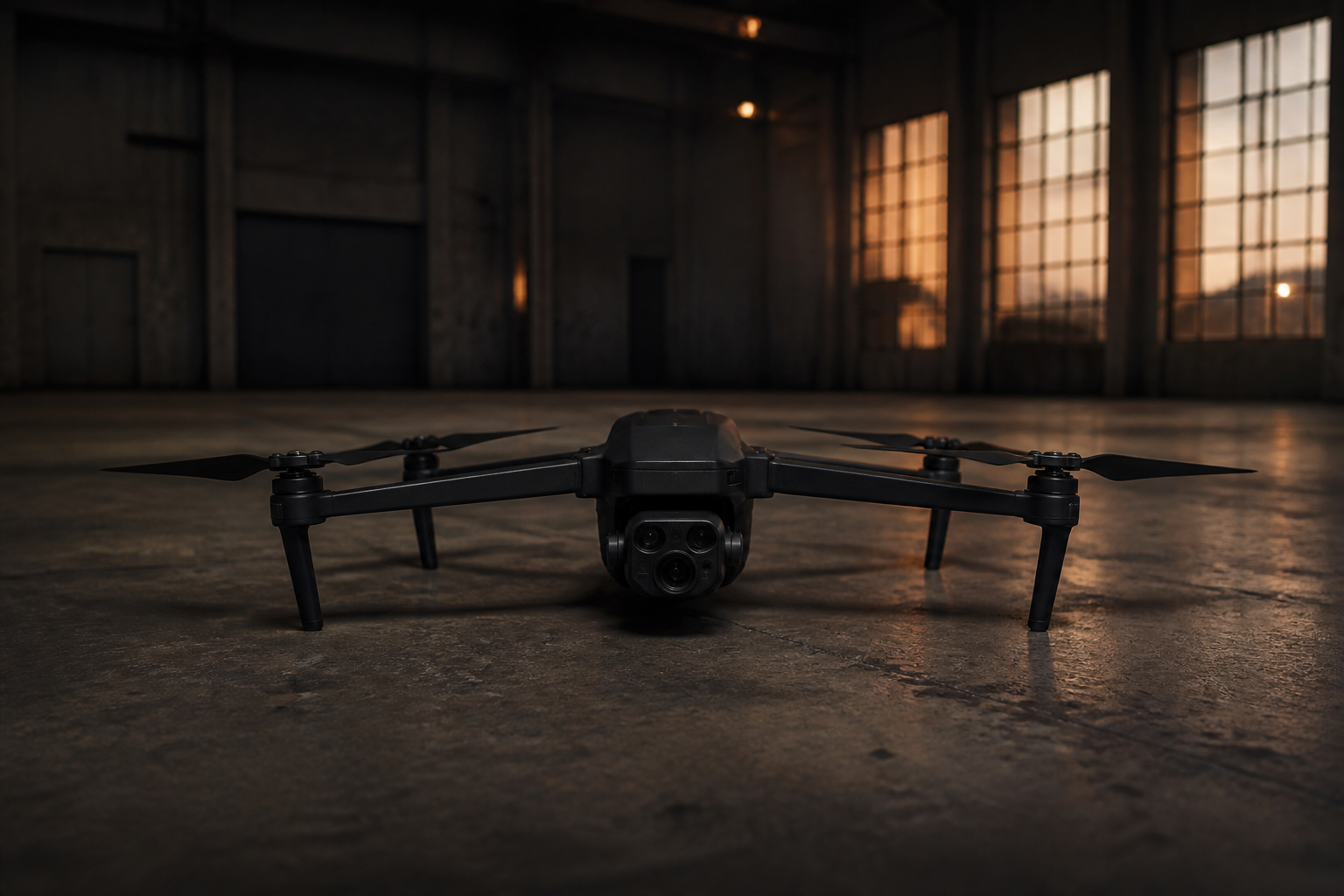
Global organizations push for restrictions on autonomous weapons
Representatives from international bodies are advocating for legally binding regulations to prevent fully automated military drones from engaging targets without human oversight. Concerns deepened following reports of civilian casualties tied to automated strikes during recent armed conflicts.
The Blend
Global leaders at the United Nations and the International Committee of the Red Cross are issuing fresh warnings about military technology, arguing that fully autonomous weapons are evolving far faster than international laws can keep up. In a joint statement, officials urged nations to establish legally binding bans on drones and other weapons that can select and strike human targets without direct human supervision.
While global diplomats caution that humanity is nearing a dangerous threshold, several technology experts believe that boundary has already been breached. The Los Angeles Times reported that an AI-guided Russian drone recently killed three civilians in Ukraine after using onboard computer systems rather than a remote pilot to choose its final impact site. Similar tests involving fully automated attacks have been conducted over the past two years, raising fears that unmonitored machine decisions are becoming a standard feature of modern warfare.
For everyday citizens, the rise of automated warfare shifts the ethical and practical realities of global security. When software errors or targeting glitches lead to unintended deaths, determining responsibility becomes extremely difficult. Without clear international standards, the rapid spread of cheap, self-navigating weapons could make conflict zones drastically less predictable and increase the risk to non-combatants worldwide.
Major military powers remain hesitant to sign binding treaties while their rivals continue developing similar capabilities, leaving future diplomatic talks in Geneva facing huge hurdles. This raises a fundamental question about whether international diplomacy can ever genuinely constrain software that is already inexpensive, easy to copy, and simple to deploy in secret.
Written independently by AI News Smoothie from the reporting listed below. Facts belong to the original publishers. Follow the links for their full coverage.
Ingredients
- U.N. warns of 'moral red line' on killer robots; has it been crossed? - Los Angeles Times
International leaders are calling for urgent bans on autonomous military systems, even as experts warn that fully automated attacks are already taking lives on the battlefield.