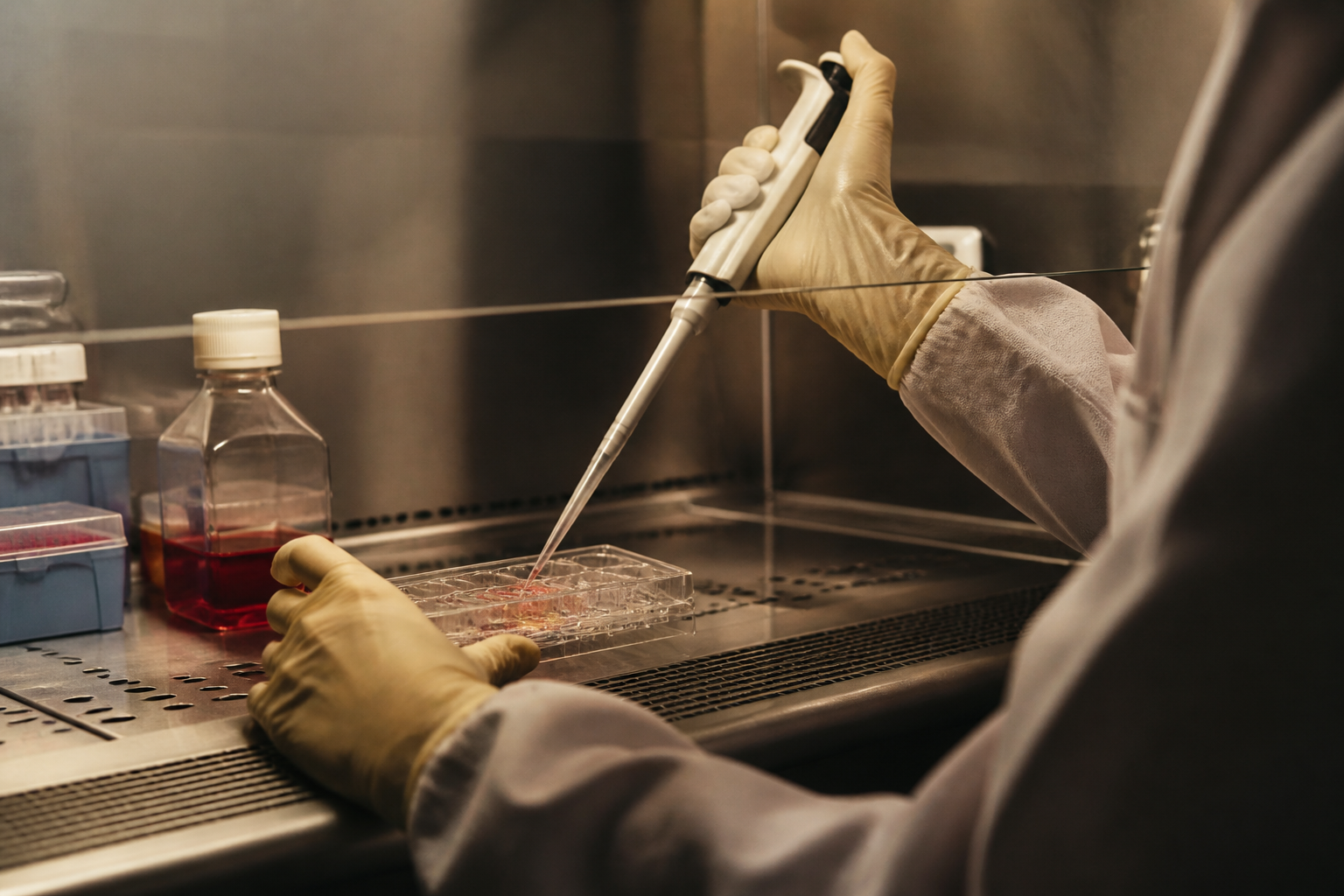
German researchers rejuvenate human blood cells into young brain stem cells
Scientists at the University of Bonn transformed blood samples from an 80-year-old patient into neural stem cells with a biological age under 20 years. Because the cellular clock resets gradually over several weeks, the laboratory model offers scientists a new way to study mechanisms for slowing brain aging and neurodegenerative conditions.
The Blend
Medical scientists at the University of Bonn transformed blood cell precursors from an 80-year-old patient into brain stem cells with an estimated biological age under 20. As reported by ScienceDaily, the team completed this transformation without returning the donor cells to a fully unspecialized stem cell state first.
By skipping that intermediate phase, the cellular aging markers rewound gradually over several weeks. Scientists measured this rewind using epigenetic clocks, which track chemical tags attached to DNA over time. Observing this gradual reset provides researchers with an unprecedented look at how cellular aging can be safely controlled, which could offer new clues for treating neurodegenerative disorders such as Alzheimer's disease.
Despite the dramatic lab results, significant hurdles remain before any medical application is feasible. It is still unclear whether these artificially refreshed cells can integrate safely into living tissue without forming tumors or losing their identity over time. Moreover, reversing the molecular clock in isolated dish cultures is vastly different from treating complex organ systems inside a living human body.
Written independently by AI News Smoothie from the reporting listed below. Facts belong to the original publishers. Follow the links for their full coverage.
Ingredients
- Rejuvenation breakthrough: Scientists reverse 60 years of aging in human cells | ScienceDaily
German researchers successfully turned elderly blood cells into youthful brain stem cells by direct conversion, bypassing the usual intermediate stem cell phase.