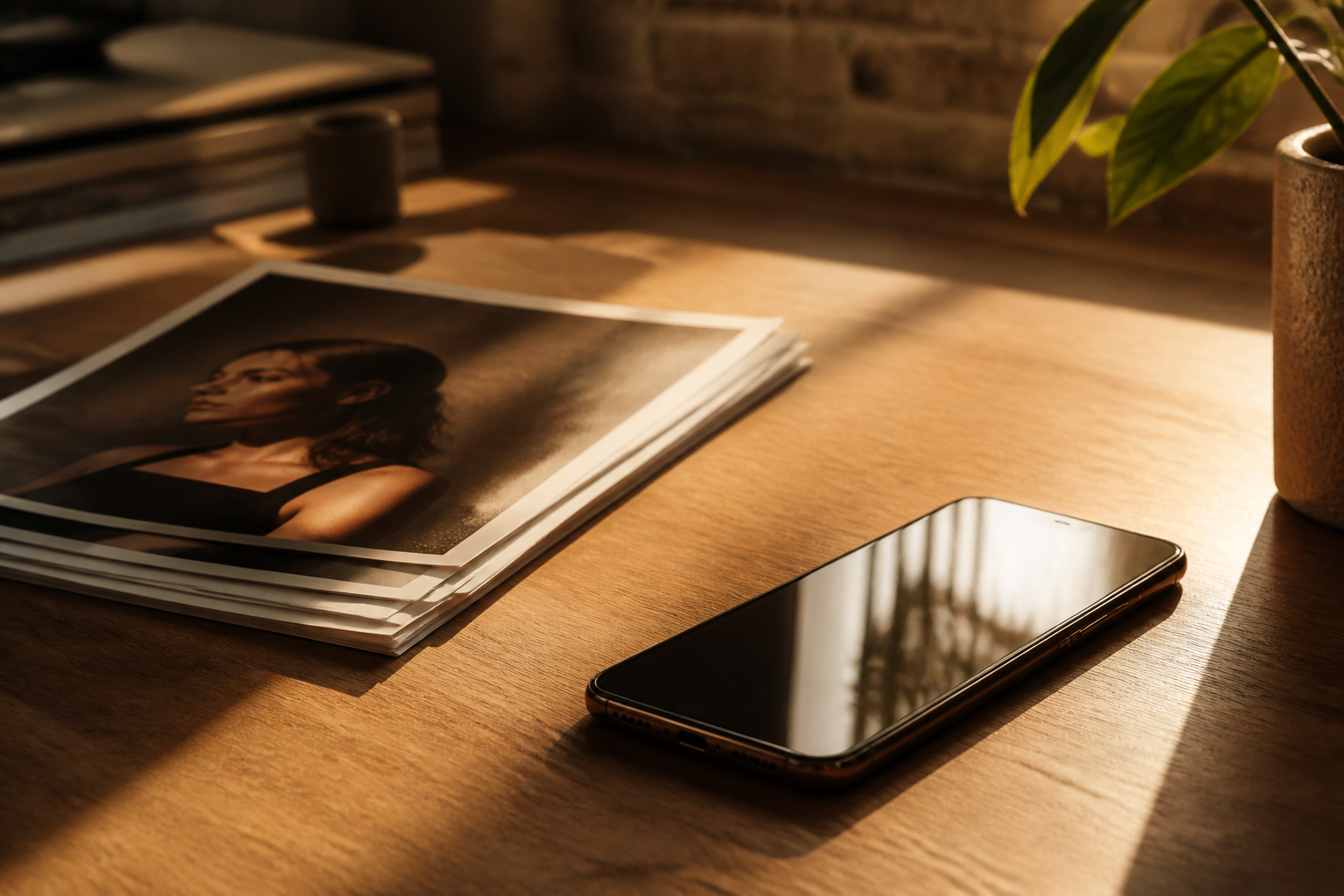
Generate full-screen mobile contact display art from portraits
This prompt turns a standard headshot into a styled, high-impact contact portrait designed for modern smartphone calling screens. It suits anyone looking to produce distinct, personalized digital address book graphics.
Copy this prompt
[Attach reference portrait]. Rely on the attached photo of [PERSON] to maintain facial features and identity, generating a modern, full-screen smartphone contact poster. Present the subject in [preferred aesthetic style, e.g., minimalist studio lighting, cinematic editorial, or vibrant illustrated backdrop], ensuring ample visual balance at the top for name and phone number overlays.
The Blend
Generative image tools are increasingly being adapted for everyday smartphone aesthetics. A recently shared workflow from Superhuman outlines how people can transform ordinary snapshots into tailored, full-screen graphics built specifically for modern mobile calling displays.
Most address books are filled with awkward, low-resolution profile photos that clash with interface elements. By prompting image generators to preserve genuine facial characteristics while leaving deliberate negative space at the top and borders, users can generate polished, magazine-style pictures that fit cleanly beneath incoming call text and system buttons.
While this offers an easy way to upgrade messy digital directories, it also highlights an ongoing tension between convenience and realism. It remains to be seen whether phone makers will simply integrate layout-aware portrait generation into mobile operating systems, or if people will find AI touch-ups of their real-life friends a step too far.
Written independently by AI News Smoothie from the reporting listed below. Facts belong to the original publishers. Follow the links for their full coverage.
Ingredients
- Create a Custom iPhone Contact Poster With AI · Superhuman Prompt Archive
Superhuman published a guided prompt that adapts standard photos into full-height portraits tailored to mobile calling interfaces.