Artificial intelligence assists brain implant in generating light patterns for blind patient
Researchers utilized machine learning models to determine optimal stimulation patterns for a visual brain implant. The technology matched intended neural responses, offering a potential path toward advanced sight prosthetics.
The Blend
Engineers and computer scientists have demonstrated how artificial intelligence can make experimental sight prostheses much more accurate. In a study appearing in Neuron and reported by ScienceDaily, investigators used machine learning to direct electrical pulses into the visual processing area of the human brain.
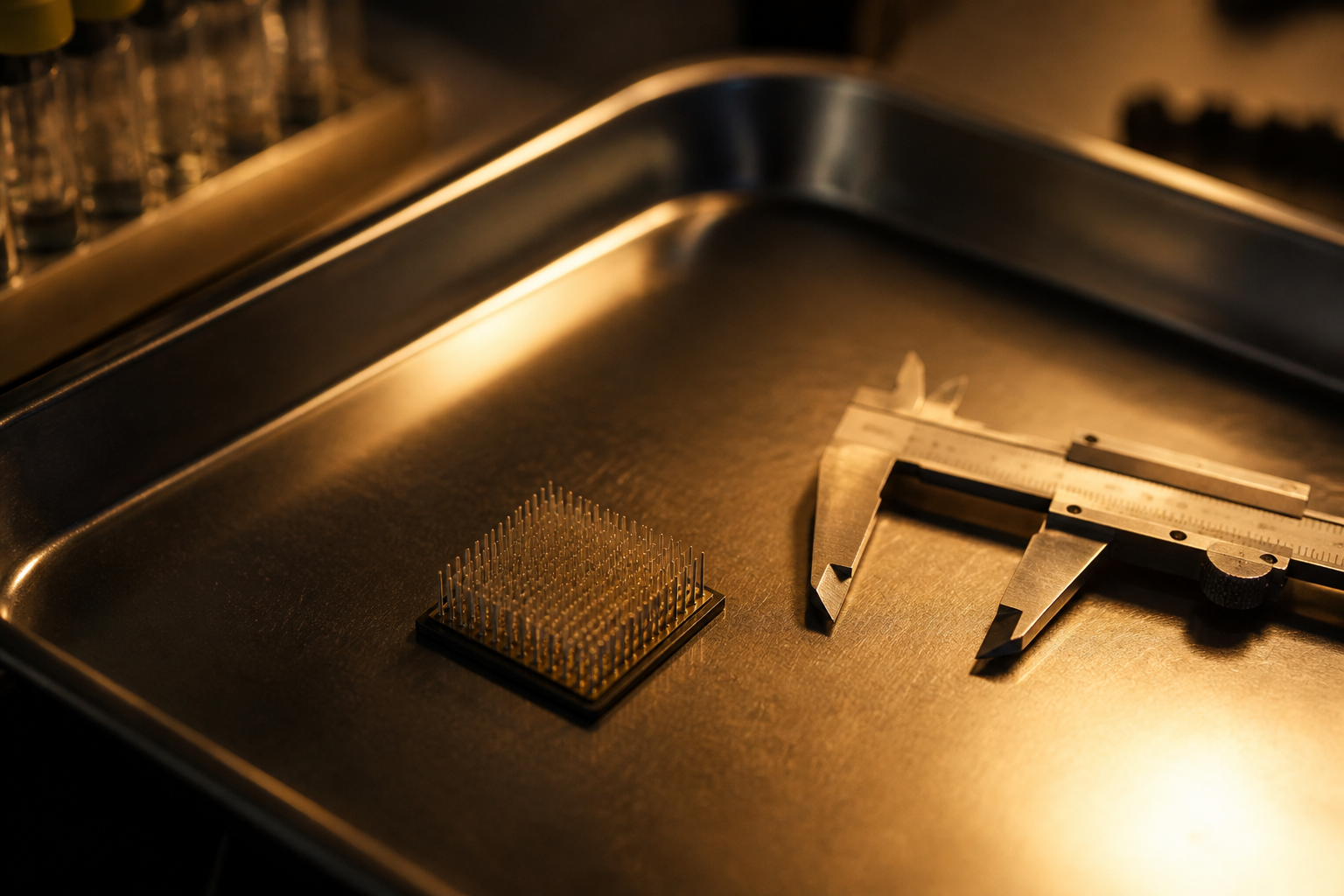
Traditional sight restoration tools often rely on working optical nerves, but visual cortical implants bypass damaged eyes entirely by delivering signals straight into brain tissue. During clinical trials in Spain, scientists used an algorithm to control a temporary ninety-six electrode grid placed inside a patient who lost his sight to trauma. The software predicted how the patient's central nervous system would react, creating clearer, more reliable points of light for the individual.
This work highlights how software tailoring could solve a long-standing hurdle in medical bionics. Because every person's neural circuitry reacts differently to electrical currents, static settings often produce erratic visual artifacts. Relying on deep neural networks allows the implant to adjust stimulation based on real time neural conditions, which could make artificial vision far more functional.
While creating predictable flashes of light inside a clinical setting is an impressive technical leap, it remains to be seen how effectively patients can interpret these basic patterns to navigate real world obstacles. Researchers will also need to prove that permanent implants can remain safe and stable over decades rather than just a few months.
Written independently by AI News Smoothie from the reporting listed below. Facts belong to the original publishers. Follow the links for their full coverage.
Ingredients
- AI-powered bionic eye breakthrough could help the blind see again | ScienceDaily
Researchers successfully used a neural network to personalize brain implant signals, helping a blind patient perceive consistent patterns of light.