
ALEYE
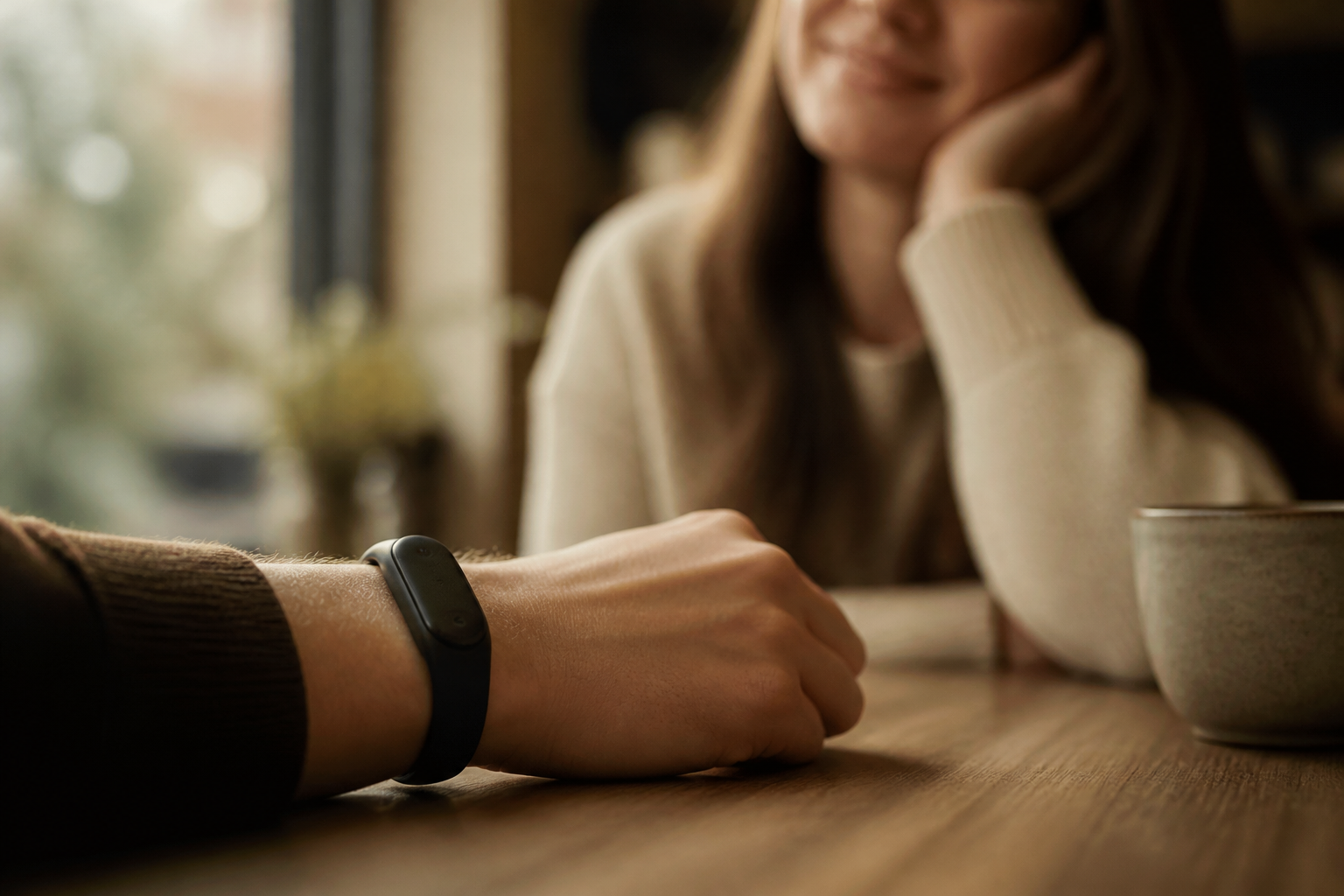
ALEYE pairs camera sensors with a haptic wristband to translate real time facial expressions into vibration patterns. It helps visually impaired individuals interpret non verbal cues and emotional responses during social interactions.
The Blend
A new assistive technology project called ALEYE aims to help individuals with sight loss pick up on silent social signals. Developed by HapWare, the setup uses optical sensors linked to a vibrating band worn on the wrist. When the camera detects a face, the software identifies the emotion and sends distinct buzzes to the user.
Visual expressions like a quick smile or a frown carry vital context during everyday conversations. Missing those signals can leave blind or low-vision individuals at a disadvantage in group settings. Converting facial movements into touch based feedback helps bridge that gap, giving users real-time insight into how others are reacting.
Still, several practical questions remain open before such a system sees broad adoption. Learning to map specific vibration sequences to distinct human emotions could require significant practice. Furthermore, carrying active cameras in public spaces could spark privacy concerns among bystanders who might not want their expressions continually analyzed.
Written independently by AI News Smoothie from the reporting listed below. Facts belong to the original publishers. Follow the links for their full coverage.
Ingredients
- HapWare - Making Communication Universally Accessible
HapWare is building tactile wearable devices designed to make everyday social communication accessible to individuals with vision impairment.