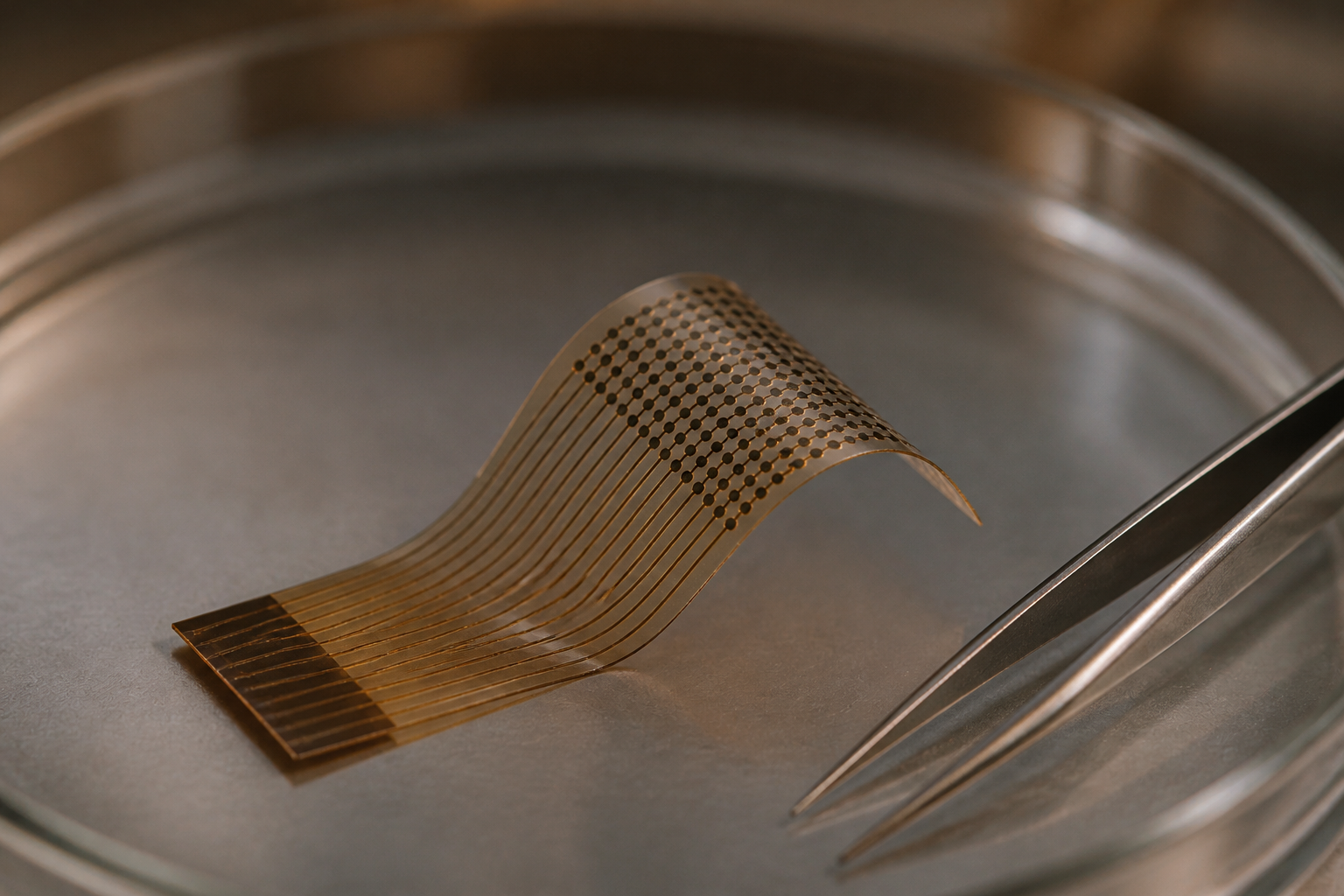
AI system customizes electrical pulses for bionic eye implants
A clinical study demonstrated how machine learning can adapt brain implants to match an individual's unique visual cortex activity. By predicting how different neural patterns respond to electrical stimulation, the system delivered more consistent visual flashes using less electric power.
The Blend
Researchers have developed a machine learning system designed to improve how bionic eye implants communicate with the human brain. Instead of delivering generic electrical signals, the artificial intelligence analyzes an individual patient's visual cortex to customize every burst of power. By forecasting how unique brain cells react to electrical stimulation, the software helps produce clearer, more reliable visual signals.
For people suffering from severe vision loss, brain implants offer a promise of restoring basic sight by bypassing damaged eyes entirely. Previous visual prosthetics often struggled because everyone's neural architecture responds differently to electricity, leading to blurry or distorted perception. By tailoring the pulses to each user, this new approach allows implants to create more consistent flashes of light while consuming far less electrical energy, which could lead to longer battery life and safer medical devices.
Despite these encouraging results, significant hurdles remain before this technology can enter routine medical care. Researchers still need to prove that the customized signals can translate into complex visual shapes rather than simple dots of light over extended periods of time. Additionally, it is unclear how long the AI model can remain accurate as the human brain naturally adapts and rewires itself around the implant over time.
Written independently by AI News Smoothie from the reporting listed below. Facts belong to the original publishers. Follow the links for their full coverage.